
Faster payouts
Understanding payments
Read more

Learn what network tokenization is, how it works, and how it leads to fewer declined payments, less fraud, and steadier revenue for growing businesses.
Every card payment your business accepts carries a risk you can’t see. The card number is stored, transmitted, and reused, and every stop along the way is a chance for it to be stolen or misused.
In 2024, payment-related fraud cost the world $33.41 billion. Since credit and debit cards now account for more than two-thirds of consumer payments in the U.S., bad actors have more opportunities than ever to steal your customers’ payment data — especially if you’re storing their information on your own systems.
Network tokenization attacks this problem at its source. Instead of your systems handling real card numbers, transactions run on secure stand-ins that are useless to criminals and update themselves when cards change. That means you’re not only protected from fraudsters, but you also won’t have to worry about saved cards declining because they were reissued or expired.
Let’s take a closer look at what you need to know about what network tokenization, how it works, and what it does for your bottom line.
Payment tokenization is a security process that replaces a card’s primary account number (the 16 digits printed across the front or back) with a stand-in value called a token. The real card number is locked away in a secure vault, while the token is what travels through the payment system and is stored in databases for repeat use. If a criminal intercepts a token, they get a string of characters with no real value, effectively eliminating the potential for misuse or theft.
Credit card tokenization is often confused with standard encryption, but the two work differently. Here’s a quick overview:
Most payment systems use both. Encryption protects data while it moves, and tokenization keeps the real number out of merchant systems entirely.
Traditional tokens, sometimes called PCI tokens or gateway tokens, are issued by a payment processor or gateway. Traditional tokenization has been the standard for years, but it comes with real limitations:
The last one causes the most disruption for businesses, since every expired card means you have to deal with failed charges and awkward emails asking customers to re-enter their details.
The biggest difference between network tokenization and traditional versions is that the card networks themselves create and manage the tokens. Instead of a processor generating a stand-in number, the network behind the card, like Visa or Mastercard, provides the token and keeps it connected to the customer’s underlying account.
That connection is the superpower. Because the big card brands handle everything behind the scenes, if a customer’s card is lost, stolen, or reissued with a new expiration date, the network updates the token automatically. Payment details stay fresh without anyone lifting a finger — not you, and not your customer.
When a customer saves a card or makes a purchase, your payment platform requests a token from the card network. The network verifies the card with the issuing bank, creates a token tied to that specific merchant and use case, and sends it back. After that, all future transactions run on the issued token instead of the card number.
Each payment also carries a one-time cryptogram, a unique code that proves the transaction is legitimate, so even a stolen network token is useless for new purchases somewhere else.

Now that you understand the basics, what does network tokenization actually do for your business? The benefits show up in four key places:
Visa found that tokenization can reduce fraud by up to 60% compared to transactions that use the raw card number. The card brand also announced that tokenized payments had saved an estimated $650 million in fraud in 2023.
“[Network] tokens have changed the game — securing online payments and paving the way for more innovations — from tapping to pay on a phone to enabling a future where we have more control over our data in the age of AI,” Visa’s Chief Product Officer, Jack Forestell, said.
Because each token is locked to a specific merchant and paired with a one-time cryptogram, stolen credentials are practically impossible to decode, making this one of the safest methods of handling card payments.
Declines are revenue killers, and many have nothing to do with a customer’s ability or willingness to pay.
For instance, with standard encryption, when a card is reissued, the cardholder has to manually update their payment information everywhere it was stored — including in their account on your website or app. If they don’t, then the next time they’re prompted to key in their payment information on your checkout screen, they might just decide it’s not worth the hassle.
Since network tokens update automatically, you never have to worry about customers abandoning their carts because their new card information didn’t carry over.
In addition, because network tokens are issued by the card brands themselves, they’re more trustworthy in the networks’ eyes. Visa’s data ties tokenization to a six-basis-point lift in global approval rates. That looks small on paper, but it’s meaningful when it’s applied to every transaction you run in a year.
For subscription businesses and SaaS (software as a service) platforms, stale card data is the biggest threat to predictable revenue. PYMNTS research found that failed payments cause half of all subscription churn.
Most of those failures aren’t the customer’s fault. More often than not, customers don’t want to cancel; they just don’t remember to update their card details, so when their monthly billing cycle rolls around, you’re left with a declined payment and an uncomfortable phone call to make.
Network tokenization keeps stored credentials current across the card’s entire lifecycle, which means fewer interrupted subscriptions, fewer “please update your payment method” emails, and revenue you can actually forecast.
Tokens hold no value outside the payment system, so businesses that store tokens instead of card numbers keep far less sensitive data on hand. That can shrink the scope of your PCI DSS compliance obligations, which lowers audit costs and limits the potential damage of a security breach.

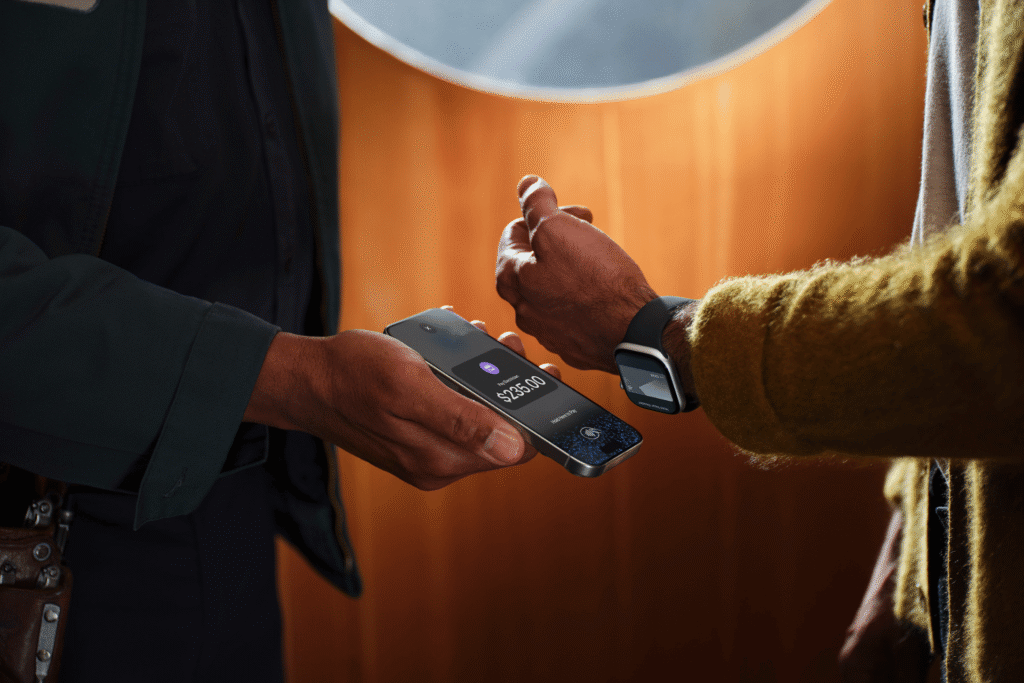
Network tokens power the experiences modern customers expect: tap to pay from a phone, one-click checkout, and cards saved securely across devices. Fewer forms to fill out and fewer verification hoops mean fewer abandoned carts and happier repeat buyers. Because of that, network tokenization is quickly becoming the default rail for digital commerce.
Juniper Research projects that network tokens will secure 2.4 trillion global transactions between 2026 and 2030, representing 86% of applicable transactions. Mastercard has committed to 100% e-commerce tokenization in Europe by 2030, phasing out manual card entry altogether.
The card networks are treating tokens as the foundation for whatever comes next, from Click to Pay to AI-assisted purchases. For merchants, the question is shifting from “should we tokenize?” to “why haven’t we yet?”
Adopting network tokenization starts with your payment platform. The right one will handle network token provisioning, lifecycle updates, and cryptogram management behind the scenes, so you get the security and approval benefits without development work, hardware changes, or downtime.
At Flute, network tokenization is integrated into our payments platform from day one, alongside the secure customer vault, recurring billing, and reporting tools growing businesses rely on.
Reach out to our team to get started and see what network tokenization can do for your bottom line.