

Flexible payments
Mobile payments
Read more
Field payments help service businesses get paid the moment a job is done. Compare hardware types and payment options like digital invoicing, tap to pay, and text to pay. Plus, learn how to get started.
Plumbers, mobile groomers, towing operators, and repair techs finish jobs in driveways, on roadsides, and at kitchen tables. Businesses like these need a reliable way to get paid on the spot, as soon as the work is done.
Accepting payments on the go, whether it’s with a mobile reader or a smartphone, keeps money moving. Payments arrive sooner, there’s nothing to chase, and you can plan payroll, parts, and fuel around real numbers instead of estimates.
Let’s take a look at how field payments compare to traditional invoicing, which options fit different kinds of work, and how to get started.
Mailed invoices kick off a waiting game. Delivery can take days, assuming the envelope isn’t lost or misdelivered, and once it arrives, there’s no guarantee your invoice will be paid. It could sit unopened in a stack of mail, get shoved into a kitchen drawer, or wind up in the recycling bin. Even a customer with every intention of paying might set it aside and forget about it.
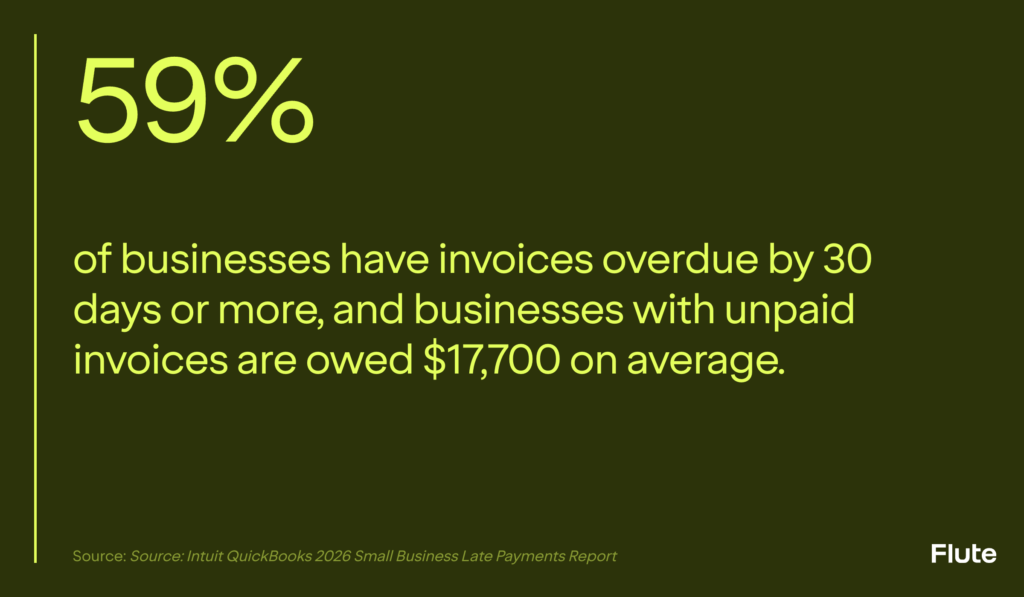
Traditional invoices can strain your cash flow, making it more difficult to plan ahead and cover necessary expenses. In its 2026 late payments report, Intuit QuickBooks found that:
Every dollar sitting in an unpaid invoice is money you’ve earned but can’t use.
The most reliable fix is to make it easy for customers to pay you while you’re still onsite. When payment is the final step before you leave, there’s nothing to mail, nothing to chase, and nothing for the customer to forget.
Field payments are transactions you accept wherever the job happens, using a handheld device, a smartphone, or a secure payment link instead of a fixed register. They come in a few forms, and many mobile businesses use more than one.
The Federal Reserve reports that credit and debit cards make up about two-thirds of consumer payments in the U.S. That means you need to be able to accept card payments, not just cash or checks.
Let’s break down the three most common mobile payment options: mobile devices, tap to pay, and text to pay.
A mobile handheld device is a portable card reader or terminal you can take with you. It connects over Wi-Fi or cellular data and accepts chip cards, swipes, contactless taps, and digital wallets. Many models also print or text receipts, prompt customers for tips, and sync with your point of sale software, which keeps every job in one system.
Handhelds are the workhorse option. They’re built for all-day use, they don’t tie up your personal phone, and they’re easy to hand to a customer for a tip or a signature. That makes them a strong fit for towing services, mobile mechanics, and home services crews that run several jobs a day and want a full point of sale in the truck.
Tap to pay turns a smartphone into the payment terminal using the phone’s built-in near-field communication (NFC) technology. You just open an app, enter the amount, and let the customer tap their card, phone, or watch against your device. There’s no extra hardware to buy or keep charged.
Visa reports that use of its Tap to Phone technology grew 200% in a year, with nearly 30% of its sellers being new small businesses. Customers are ready, too: contactless payments accounted for more than 75% of transactions across Mastercard’s network in 2025.
Because it runs on a phone you already own, tap to pay is the most affordable way to start accepting cards in the field, and it’s ideal for solo operators with quick, in-person appointments.
Text to pay sends your customer a secure payment link by text message. They open the link on their phone and pay by card or bank transfer. Afterward, you both receive a digital confirmation and receipt. And if you don’t want to bother with text messages, most payment providers will let you send the same link by email or QR code.
Text to pay works even when the customer isn’t standing in front of you, which makes it a natural fit for deposits, remote approvals, and jobs that finish after the customer has left. It also gives people a moment to review the charges before they pay, which can reduce disputes later on.
Field work is a growing part of the everyday economy, and professionals need easy, reliable ways to get paid on the go. Here are a few examples of what that looks like in practice:
In each scenario, the business gets paid right away, without waiting for an invoice to get paid or wasting time sending reminders.
Field payments do come with a few practical considerations, and the biggest is connectivity. Basements, parking garages, rural properties, and crowded event spaces can all have weak or nonexistent signal, so make sure you have a backup plan in case you lose access to WIFI.
It’s also worth thinking through the everyday details: battery life on long routes, durability when a device rides in a work truck, and how tips, receipts, and refunds work when you’re on the road all day. None of these are dealbreakers, but they are questions worth asking before you invest in a payment solution.
Getting set up is simple. You don’t need a storefront or a long contract, but you do need the right payments partner. As you compare providers, look for:
Next, look for a tool that fits how you do business, whether that’s a handheld in the truck or tap to pay on your phone, and go from there. A good provider can help you decide what’s best for your business and activate additional payment methods as you need them.
The right payment solutions close the gap between finishing a job and getting paid, strengthen cash flow, trim hours spent chasing invoices, and make it easier to plan for what comes next.
That’s exactly what Flute is built for. Our handheld devices, tap to pay, and text to pay options run on one platform, with transparent pricing, fast payouts, and real people on the other end of the phone.
Ready to get paid the moment the job is done? Reach out to our team to find the right field payment setup for your business.